
The Bigger Picture of Prosthetics: Discussing Social Determinants of Health for Amputees
Working in prosthetics means helping people regain mobility after one of the most life-altering events a person can experience. The moment a patient takes their first steps with a prosthesis is powerful. It’s not only powerful for them, but for us as clinicians who are working to support them every step of the way.
But there is an honest truth that those of us in this field need to recognize: the best outcome is preventing many amputations from happening in the first place.
Most lower limb amputations are not sudden or unpredictable events. They are often a result of chronic conditions such as Diabetes Mellitus, Peripheral Artery Disease, and Cardiovascular Disease. These conditions develop gradually and are shaped not only by biology but also by health behaviors, access to care, and broader social factors.
From a public health perspective, limb loss frequently represents the final stage of a much longer health trajectory. Preventative care, early disease management, and access to healthcare services all play critical roles in reducing the risk of amputation. In a perfect world, many of the conditions that lead to limb loss would be prevented before they ever progressed to the point of amputation. In that kind of world, the need for prosthetic care would be far smaller. But the reality is that limb loss remains a significant health challenge, and with it comes both an opportunity and a responsibility to focus on health promotion and positive behavior change even after amputation. While we can’t always change the events that led to limb loss, we can play an important role in helping patients move forward with health behaviors in mind.
Many of those influences fall under something called social determinants of health. These are the environmental and social conditions that shape a person’s ability to maintain good health over time. Access to quality healthcare, transportation, financial stability, community infrastructure, education, access to nutritional foods, and safe environments for physical activity all affect the progression of chronic diseases and ultimately influence health outcomes.
For individuals at risk of amputation, these determinants can shape whether conditions like diabetes or vascular disease are identified early, managed effectively, or allowed to progress without being monitored. While these broader systems play a significant role in the incidence of amputation, they also continue to influence health long after amputation has occurred.
And this is where the role of prosthetic care expands beyond simply providing a device.
When someone receives a prosthesis, the goal is not just walking again. The goal is to support a healthier, more mobile future.
Research such as the systematic review Effectiveness of (Active) Lifestyle Interventions in People with a Lower Limb Amputation: A Systematic Review highlights an important reality. Individuals with lower limb amputation often experience reduced physical activity levels, decreased cardiovascular fitness, and an increased risk of secondary health complications. Without intentional support, mobility limitations can lead to a cycle in which decreased movement contributes to worsening chronic health conditions, which in turn make mobility more difficult.
However, the same research also suggests that lifestyle interventions (particularly those that promote physical activity) can significantly improve functional mobility, walking ability, and cardiovascular health among individuals with limb loss. These findings reinforce an important idea that we value here at Jameson Prosthetics: what happens after a person receives a prosthesis has a profound impact on long-term outcomes.
We believe prosthetic care should reflect that idea, which is why (if you’ve ever had an appointment with us) we always discuss the whole YOU. We discuss topics beyond prosthetic devices, such as jobs, family, community, home-life, and everything that has shaped you as a person.
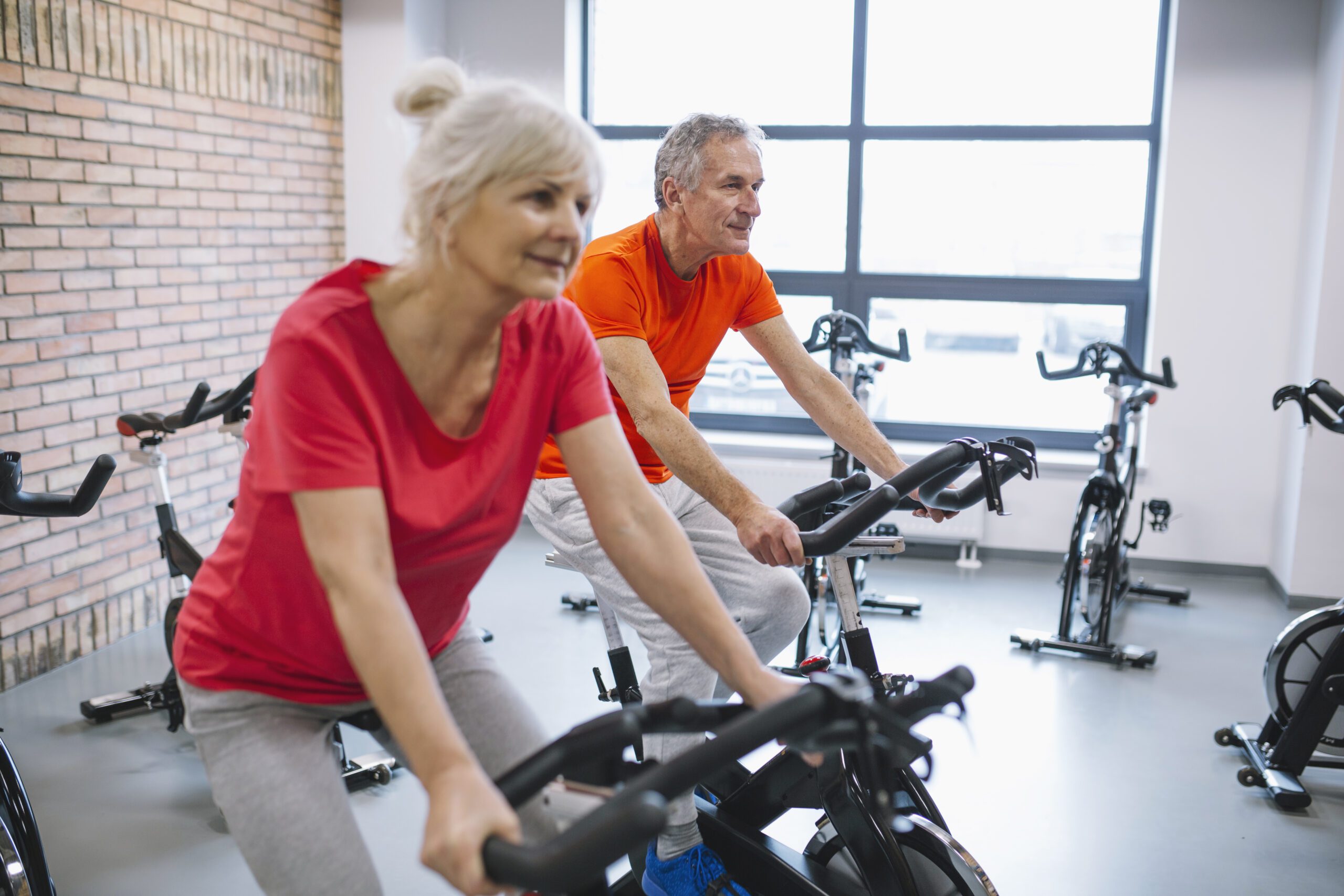
Encouraging movement and physical activity is one of the most important aspects of that philosophy. Regular movement supports cardiovascular health, maintains strength and balance, and helps patients develop confidence in their prosthetic use. For many individuals living with conditions such as diabetes or vascular disease, maintaining an active lifestyle can also play a meaningful role in preventing additional complications.
Equally important is collaboration with the broader healthcare team. Individuals living with limb loss often continue managing chronic conditions that contributed to the amputation in the first place. Maintaining communication with physicians, therapists, and other healthcare providers helps ensure that prosthetic care remains connected to the patient’s overall health management. When clinicians work together, patients benefit from a more coordinated and supportive system of care.
Ultimately, successful prosthetic outcomes are built on partnership—between clinicians, patients, and the broader healthcare community. Progress takes time, and the journey toward confident mobility is rarely linear. Our role extends beyond fitting a prosthesis. It includes supporting patients as they adapt, build strength, develop new habits, and regain independence.
Preventing limb loss will always remain a critical goal in healthcare, and public health initiatives aimed at reducing chronic disease will continue to play an essential role in that effort. But for individuals who have already experienced amputation, the focus shifts toward building a healthy and active future. That future depends on more than technology. It depends on movement, support, education, and a commitment to caring for the whole person. Because while a prosthesis restores mobility, long-term health and independence are built through the habits, environments, and support systems that surround it.
March 31, 2026
