
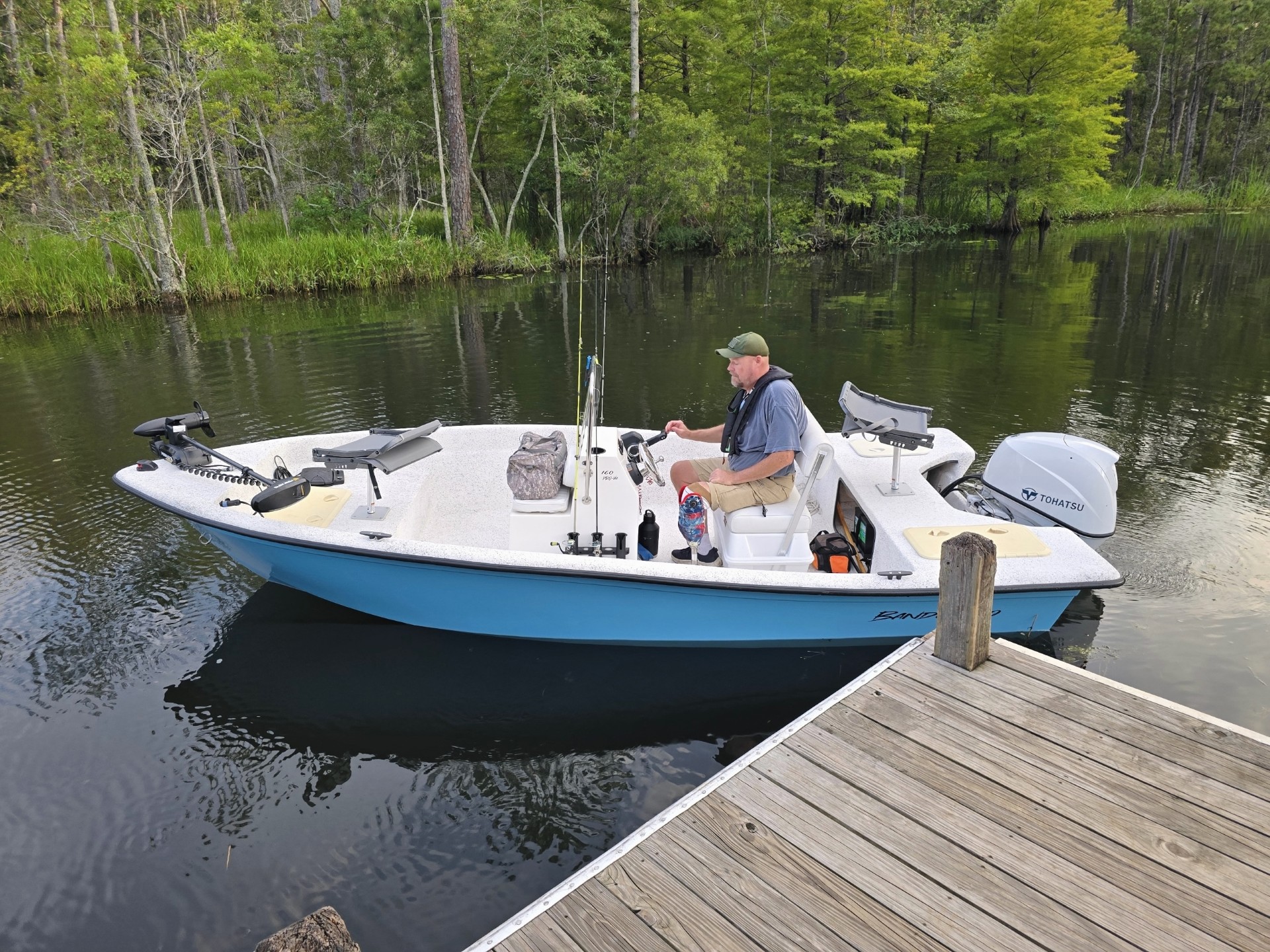
Avery Found Steady Waters: Proof that Individualized Care Makes a Difference
If you spend even a few minutes talking to Avery, you’ll probably laugh. He is quick with a joke and easygoing by nature, but when he talks about his journey as an amputee, he means every word.
Avery has been fishing since he was 5 years old. Introduced to the sport by his dad and older brother, it quickly became more than a hobby. Fishing is a part of who he is. For over 50 years now, it has been Avery’s way to unplug, slow down, and let the stress of life fade away for a while. When I asked Avery what fishing meant to him, he replied: “When you’re chasing the fish, everything else just kind of disappears.”
Avery saw his amputation as a “minor hiccup” of sorts, not the end of his story. Certainly not the end of his fishing adventures. He knew fishing would look different after amputation, but he never saw it as the end of a chapter. Sure, there were very real obstacles involved: navigating uneven terrain, getting in and out of the boat, and finding stability on rough water. “I’m too headstrong for that to be what stops me,” he said.
Avery’s first fishing trips post-amputation came with a steep learning curve. He went out with his brother, easing back into things and modifying activities to figure out what worked (and what didn’t). “I was still in the casting phase of getting my prosthetic leg,” he laughs, “at first, I was crawling into the boat. Anything I could do to get out on the water.”
Stability, balance, and confidence didn’t come all at once. Avery describes modifying activities to fish as finding his “happy zone,” where he slowly built trust in his prosthesis and the fear of falling lessened over time. There was no lightning strike moment or sudden breakthrough. Just steady progress, one fishing trip at a time.
Avery is very open about the fact that there is a lot of different information out there for amputees adapting hobbies. He repeatedly emphasized the need to lean on his care team, specifically his prosthetist. That meant asking questions when they came up and doing his homework. Over time, he realized that the effort was paying off.
Today, Avery fishes often. It is part of his livelihood. He and his brother have even created a fishing bucket list together of various lakes in the region that they wish to fish together. Today, they only have two left to go (and don’t plan on stopping anytime soon).
When I asked Avery what advice he’d give to another amputee wanting to return to a favorite hobby, Avery didn’t hesitate to say: “Take your time. Don’t get rushed into it. It’s a learning curve, but if you lay around and get caught up in your head, you’ll never make it happen. Time and effort will take care of it, but you’ve got to put in the work.”
He’s firm about the importance of patience, but just firm about being in a sound mental state to remain determined through the obstacles of being an amputee. For Avery, success didn’t come from rushing or avoiding fear. It came from consistently showing up, doing the work, and trusting that progress was soon to follow.
Avery’s story is a perfect example showing how successful outcomes start with understanding what truly matters to each patient. Fishing is more than something Avery likes to do. It’s part of his identity. From stability on a moving boat to confidence on slopes, his prosthetic needs were directly influenced by how he lives his life. When we take the time to understand what makes someone them, we can tailor prosthetic components and solutions that support their specific goals that extend beyond the basic need of walking. When a prosthesis is designed to help someone navigate their world, successful rehabilitation and adaptation is within reach.
March 2, 2026
Studio Ró
Site made by
@2022 Jameson Prosthetics
Privacy
Terms & Conditions
Address: 1407 Ashley River Road, Charleston, SC 29407
Email: jamesonprosthetics@gmail.com
Tel: 843 936 1642
Explore
With you through it all.
Jameson Prosthetics
@JamesonProsthetics
